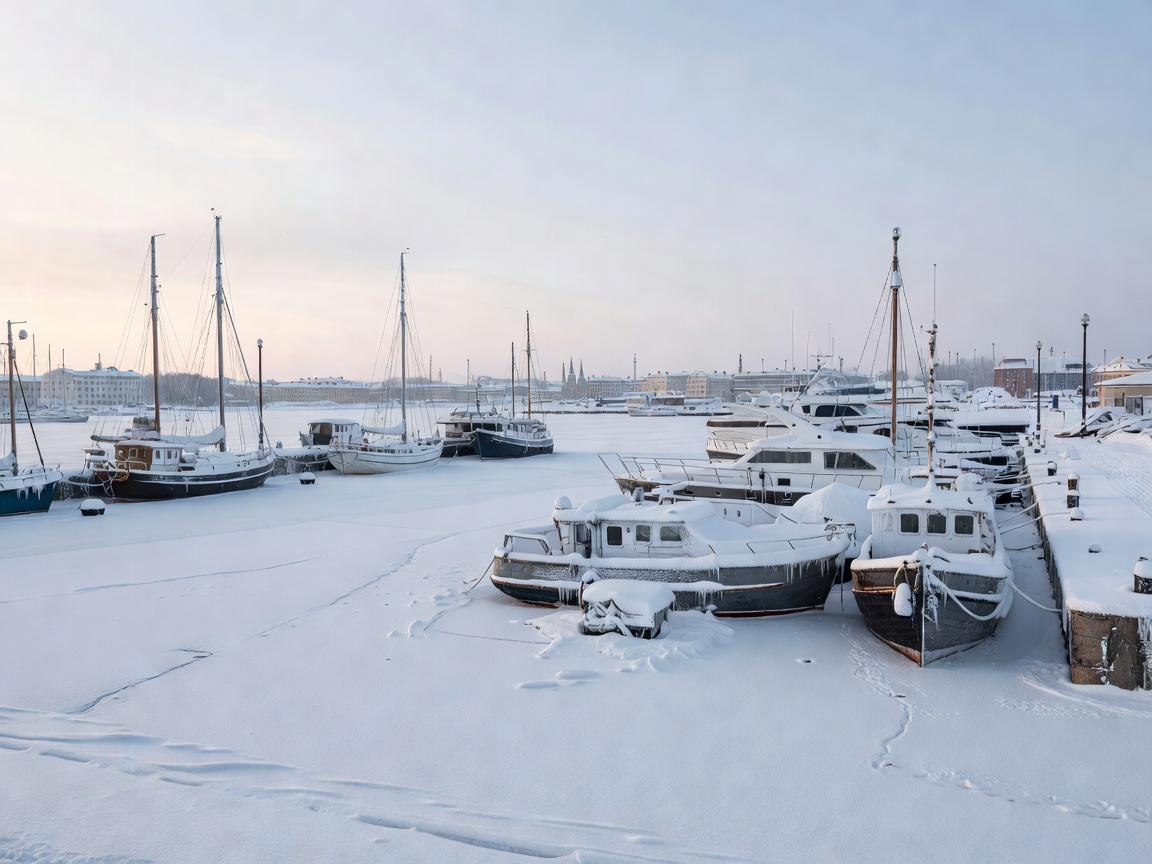
Four cities, four different winters
Not every winter trip has to revolve around a market square. Reykjavik, Helsinki, Salzburg and Budapest each offer a distinct kind of winter — and knowing the difference helps you match the trip to what you actually want from it.
| City | Signature experience | Avg Dec temp | Daylight hours | Best for |
|---|---|---|---|---|
| Reykjavik | Northern lights, geothermal lagoons | 0°C | ~4–5 hrs | Bucket-list nature trips |
| Helsinki | Ice skating, sauna culture | -3°C | ~6 hrs | Design, calm winter atmosphere |
| Salzburg | Alpine scenery, smaller markets | 1°C | ~8 hrs | Combining markets with mountains |
| Budapest | Thermal baths, river views | 2°C | ~8.5 hrs | Relaxation, milder winter |
Reykjavik: the aurora gamble
Iceland's winter days are short — sunrise around 11am, sunset around 4pm in December — but that darkness is exactly what makes the northern lights possible. Realistically, expect a 30–40% chance of a clear, active display across a 4-night stay; book a flexible aurora tour rather than a single fixed night, and always have a backup plan (the Blue Lagoon or Sky Lagoon) for cloudy evenings. This is a trip for nature-focused travellers who don't mind uncertainty in exchange for the chance at something spectacular.
Helsinki: quiet, design-forward winter
Helsinki doesn't compete with Vienna for market drama, but it offers something calmer: proper ice skating rinks in the city centre, sauna culture that's genuinely part of daily life (not a spa add-on), and a design district worth a full afternoon. Days are short but manageable, and hotel prices stay noticeably lower than Central Europe's headline markets even in December.
Beyond-market trips: pros
- Fewer crowds than headline market cities
- Often better value on hotels and flights
- Unique experiences you can't get at a market stall
Beyond-market trips: cons
- Shorter daylight in far-north destinations
- Aurora sightings are never guaranteed
- Less festive "market atmosphere" if that's what you want
Salzburg: the hybrid option
If you don't want to choose between markets and mountains, Salzburg gives you both. Its Domplatz market is smaller and calmer than Vienna's, and you're a short train or bus ride from genuine alpine scenery — the Untersberg cable car runs year-round and offers snow-covered views over the city. This is the best pick for travellers who want festive atmosphere in the day and quiet mountain air in the evening.
Budapest: winter without the deep freeze
Budapest's December temperatures rarely drop far below freezing, making it a gentler option for anyone nervous about extreme cold. Its thermal baths — Széchenyi and Gellért among the most famous — are open and outdoor even in winter, and steam rising off the water against a snowy backdrop is one of the more memorable sights in European winter travel. Add a smaller Christmas market at Vörösmarty Square and you get a milder, more relaxed alternative to the big Central European names.
Booking tip: Aurora tours and thermal bath entry both benefit from early booking — popular slots at Iceland's Sky Lagoon and Budapest's Széchenyi baths can sell out days in advance during December.
Choosing your winter
If spectacle is the goal, Reykjavik. If you want calm and design, Helsinki. If you can't choose between festive and alpine, Salzburg. If you want warmth in the cold, Budapest's baths. Whichever you pick, pair it with our food and drink guide so you know what to order once you're there.